
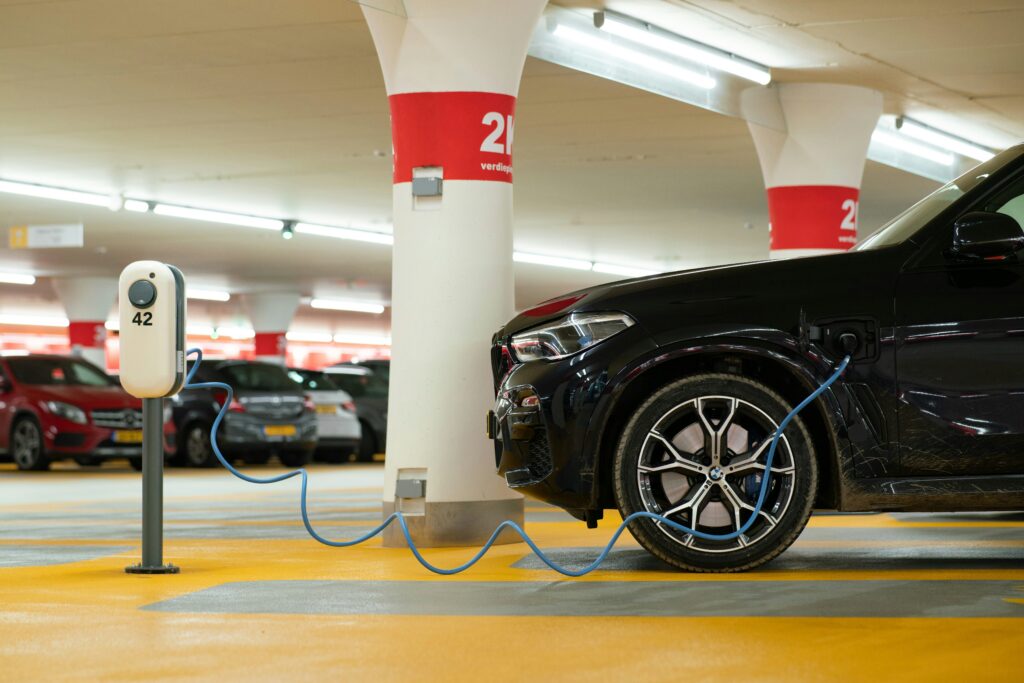
In the year 2026, the evaluation of the vehicles will involve more than just looking at the savings from fuel usage. Vehicle availability, risk of repair, resale value, and revenue from vehicle day will be key to making the decision. The hybrid against electric vehicles in the selection of cars for rental purposes is not all about the cost of fuel anymore. Electric vehicles can serve in certain urban environments, but hybrids and plug-in hybrids can handle a wider variety of trips.
The Utilization Trap: Why Range Still Rules

Utilization is a clear sign of fleet health. A vehicle earns only when it is ready and booked. EVs can work when charging access is predictable, but a low-battery return may create a gap between rentals.
This is clearest where charging is limited or rural trips are common. A hybrid can be refuelled, cleaned, inspected, and returned to service quickly, protecting availability during busy periods.
Renters also value the freedom to drive longer distances without planning every stop around a charger. This suits family, business, and leisure travel.
ROI Comparison: Finding the Profit Sweet Spot
Calculating the car rental business return on investment by 2026 for a balanced fleet includes more than energy expenses. The purchase price, depreciation, insurance, idle time, maintenance, and daily rate are to be considered for the return.
The lower initial cost of hybrids compared to long-range electric vehicles is an advantage for attaining profitability faster. If you are applying a strategic blueprint for building a scalable fleet, managing initial asset acquisition costs dictates your ultimate runway. Hybrid cars are easy to operate, which simplifies the understanding of charging issues and returning fully charged batteries. This does not mean that all the EVs are not profitable, but that each of them should fit local needs and infrastructure.
Insurance and preparation for repair services are significant aspects as well. Electric vehicle body parts, batteries, and spare parts could cause complications after accidents. Hybrids’ mainstream usually allows better repair services. While comparing hybrid maintenance cost and EV one, consider routine services, accident repairs, tire wear, spare parts delivery time, and idle time. Data from comprehensive automotive reliability studies highlights that while EVs have fewer moving engine parts, heavy battery packs accelerate tire wear and lead to higher average collision repair costs.
High availability of EVs influences the daily rates negatively. Well-situated hybrids will be less competitive due to their additional advantages such as storage space, all-season performance, and long-range capability.
The Best Hybrid Cars for Rental Fleet Growth
The perfect hybrids for growing rental fleets are reliable and effective. For affordable rentals in the city and airports, the Toyota Prius is suitable. For those who need space to carry things, the Toyota RAV4 Hybrid would be perfect, whereas the Honda CR-V Hybrid will suit long journeys.
Rental capabilities between the Toyota Prius and Tesla Model 3 depend on your market. The Model 3 can perform well where there is an abundance of chargers, but the Prius can work great across all different roads. The more valuable asset would be the one constantly rented.
The Rise of the PHEV: A Flexible Middle Ground
The plug-in hybrid allows the operator to list an eco-friendly vehicle without having to rely solely on public charging stations. A PHEV will allow one to make shorter journeys using electricity and keep a gasoline engine for longer trips.
This makes PHEV rentals profitable because there is a good balance that guests can choose from. For those traveling in the city, they get to use an electric car, while road trippers don’t have any range anxiety. In a direct booking website, this would be a solid proposition; efficient when necessary and unrestricted when necessary. Offering these versatile vehicles is a massive lever for executing independent direct booking strategies for car rental growth, freeing your business from platform dependency.
There needs to be good direction regarding PHEV rentals. One should explain charging requirements, provide clear instructions, and price the vehicle appropriately to local demand.
Managing a Balanced Fleet With FleetHQ

It is hard to say that the perfect combination would be an all-hybrid fleet or an all-electric fleet. The right mix will help allocate EVs for short trips around cities and hybrids for longer business, family, and pleasure trips.
And here comes car rental software. With the help of FleetHQ software, operators will have a look at bookings, vehicle availability, maintenance status, and revenue per mile. With the help of car rental management software, one can analyze the performance of the vehicle and find out when it’s time to relocate an underperforming electric car or replace it with a more popular hybrid.
The live fleet calendar will help schedule maintenance activities like oil change, tire service, and cleaning.
FAQ
Are hybrids more profitable than EVs for car rentals?
For many independent operators, hybrids can produce stronger returns because they are quick to refuel, versatile for longer journeys, and less dependent on public charging. EV profitability can still be strong in charger-rich urban markets with reliable demand.
Which hybrids are best for a new rental business?
Choose proven models that match your booking profile. The Toyota Prius, Toyota RAV4 Hybrid, and Honda CR-V Hybrid balance efficiency, comfort, reliability, and rental appeal.
Conclusion: Build for Availability, Not Hype
EVs remain valuable in the right locations, but hybrids and PHEVs often give independent operators faster turnaround and broader customer appeal.
Build your fleet around operating data, not assumptions. Use FleetHQ to measure utilization, revenue, downtime, and maintenance performance, then invest in the vehicles that produce the strongest returns. Stop guessing your ROI. Book a FleetHQ demo today.